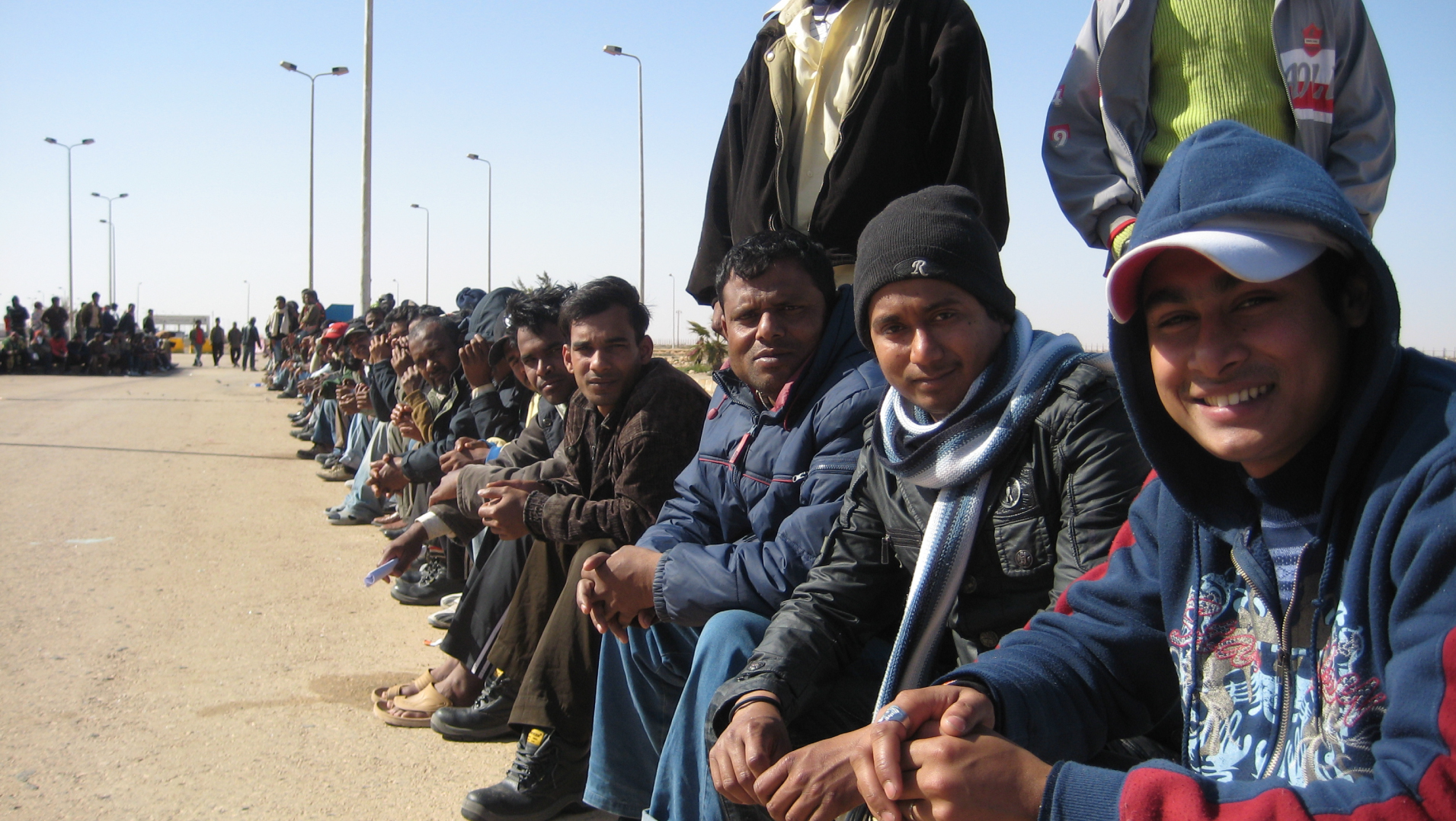
Robiul Hasan stood at the baqalah counter in a quiet Riyadh neighbourhood on an April evening, counting riyals for his iftar purchases. The 42-year-old construction worker had done this hundreds of times during his fifteen years in Saudi Arabia. This time, however, security patrol officers entered, demanded his iqama, without considering its eight-month validity, and arrested him anyway. Two months later, he arrived at the airport in Dhaka and a question that hundreds of deportees were asking: “What was my fault? I showed my iqama. They did not consider it.”
Saudi authorities conducted an inspection campaign between April 23 and 29, 2026, recording 11,300 violations across the kingdom, including 6,244 related to residency issues. Interviews with dozens of returnees arriving in Dhaka during this April reveal something more upsetting than an administrative sweep. They recount a relentless campaign that erased the line between documented and undocumented workers.
The enforcement campaign can’t be separated from the broader geopolitical earthquake that shook the Middle East beginning in late February. Renewed hostilities in Lebanon since March have caused massive civilian displacement and humanitarian needs across the region. Meanwhile, the Strait of Hormuz remained effectively closed to most commercial shipping as Iran’s Defence Council warned that any attack on Iranian coastal territory would trigger mine-laying across Gulf sea lanes.
These regional shocks created an immediate peril for Saudi Arabia’s three million Bangladeshi workers. Security tightened, and Bangladeshi workers became the fastest proof of control as Gulf uncertainty surged. This Middle East crisis threatened remittances, business, and the livelihoods of families everywhere.
Read more by clicking the article’s original link.
Originally published at Dhaka Tribune on May 20, 2026.