Bridging Research and Practice: Media Professionals Tackle Cross-Border Misinformation in Forced Displacement Coverage
“From statelessness to digital voicelessness” fact-checking workshop at Beyond Borders Asia 2.0 conference
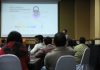
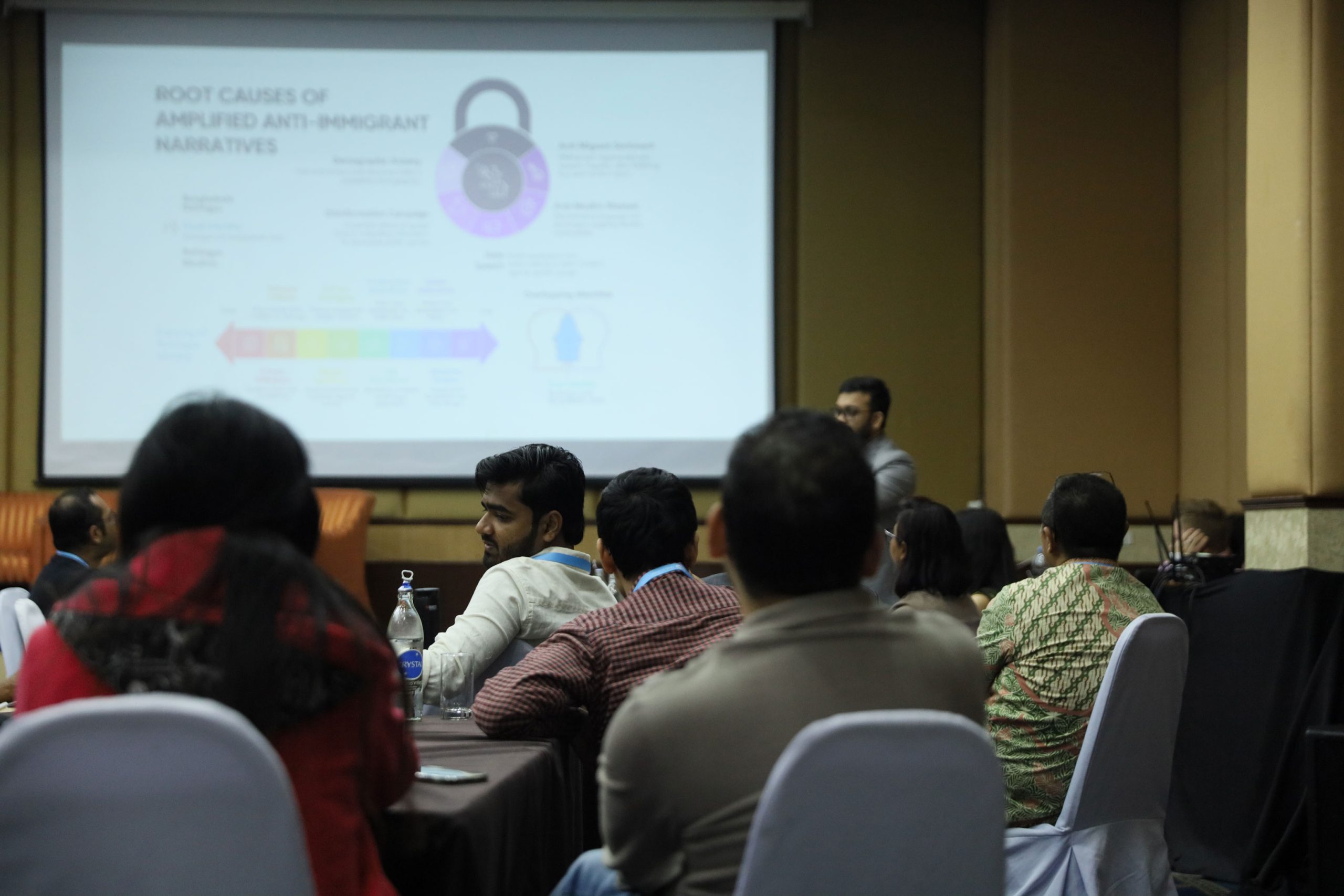
On February 8, 2026, in the main conference hall of Duangtawan Hotel, more than seventeen media professionals and journalism experts from across South Asia and Southeast Asia gathered for a session that would challenge how they approach one of the region’s most complex humanitarian stories.
The workshop, titled “From statelessness to digital voicelessness: Fact-checking workshop for media professionals to cover forced displacement,” formed a critical component of the Beyond Borders Asia 2.0 conference taking place in Chiang Mai, Thailand, from February 6 to 9.
Throughout the dedicated one-hour session, facilitator Zulker Naeen guided participants through a journey that began with research findings and evolved into collaborative, hands-on learning.
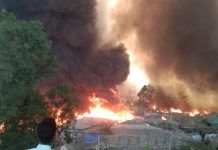
The Rohingya situation, serving as the session’s focal case study, demonstrates how humanitarian suffering transforms into contested narratives online, with disinformation and propaganda flowing across national boundaries from Myanmar into Bangladesh, India, and other neighbouring countries.
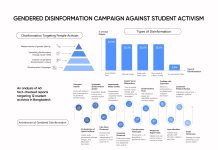
Initially, the facilitators shared research evidence documenting patterns of cross-border misinformation and the mechanisms through which anti-migrant narratives gain traction online. Subsequently, the session shifted into interactive mode, where participants actively engaged with concrete fact-checking techniques tailored specifically to displacement reporting.
The Rohingya crisis is not only unfolding on the ground but also in the digital sphere, where disinformation, propaganda, and hate campaigns migrate across borders—from Myanmar to Bangladesh, India, and beyond—transforming humanitarian suffering into scrutinised fiction.
Using the Rohingya case as a focal example — “From statelessness to digital voicelessness” — participants have learned concrete fact-checking techniques, examined how hate speech and state-led narratives spread online, and co-created a guideline to ensure ethical, inclusive, and impactful journalism across South Asia.
This session developed a context-specific, practical fact-checking guide for journalists, media professionals, content creators, and experts based in Asia who report on forced displacement, refugees, migrants, and host communities. Through a highly interactive workshop, the session addressed one problem: the rise of cross-border misinformation and anti-migrant narratives that silence displaced populations.
By combining evidence from research and collaborative guidelines, this session aims to support media professionals in producing accountable reporting that protects the rights and dignity of the displaced community.
The session’s placement within the broader Beyond Borders Asia 2.0 conference, supported by the German Federal Ministry for Economic Cooperation and Development, underscored the international recognition that journalism about refugees, migrants, and host communities requires specialised knowledge and ethical rigour.
By the session’s conclusion, participants possessed not only enhanced technical skills in verification but also a deeper understanding of their role in either amplifying or countering the narratives that shape public attitudes toward displacement.