Bridging Regional Perspectives on Digital Rights and Gender-Based Online Violence
Kuala Lumpur, Malaysia – August 2025
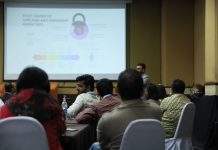
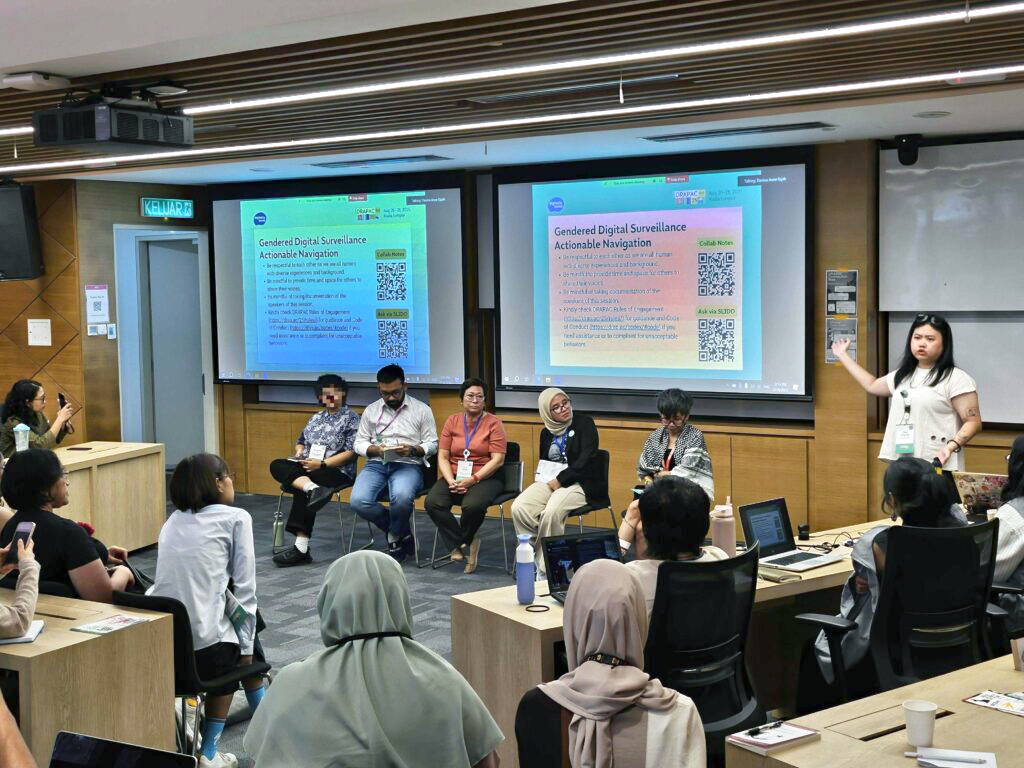
I had the distinct honour of participating as a panel discussant at the Digital Rights in Asia-Pacific (DRAPAC) 2025 conference, held from August 26-28, 2025, in Kuala Lumpur. The session on Gendered Digital Surveillance, organised by Ellen Kusuma from Indonesia, provided a critical platform to examine how surveillance technologies disproportionately impact marginalised communities across Southeast and South Asia, and to identify actionable responses to these growing threats.
A Convergence of Regional Expertise
The panel brought together leading voices in digital rights advocacy from across the Asia-Pacific region. I was privileged to share the stage with distinguished colleagues: Dhyta Caturani of Purple Code Collective, Nenden Arum of SAFEnet Indonesia, Farhanah of Digital Defenders Partnership, and Liza S. Garcia of the Foundation for Media Alternatives (FMA). Each panellist contributed unique perspectives grounded in their respective contexts, creating a rich tapestry of insights into the multifaceted nature of gendered digital surveillance.
As I shared on LinkedIn, representing the University of Liberal Arts Bangladesh at this significant gathering reinforced the importance of cross-regional dialogue in addressing digital rights challenges that transcend national borders.
South Asian Perspectives: When Surveillance Becomes Weaponised
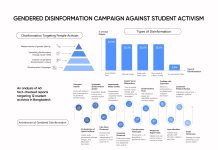
My contribution to the discussion centred on bringing South Asian perspectives to the conversation, particularly focusing on how gendered misinformation and online smear campaigns disproportionately target women journalists, LGBTQ+ activists, and human rights defenders in Bangladesh and the broader South Asian context. I presented key findings from our recent initiative, “Her Reputation, Their Control”: Mapping the Actors behind Disinformation and Gendered Surveillance in South Asia, which documents systematic patterns of digital violence against women in public life.
The research reveals a disturbing trend: women who speak truth to power face coordinated campaigns designed not just to silence them, but to destroy their credibility and reputation through sexualized disinformation, doctored images, and targeted harassment. These attacks exploit deeply entrenched gender norms and patriarchal structures, using digital tools to enforce conformity and punish dissent.
Building Solidarity Across Borders
What made this session particularly meaningful was its function as more than an academic exercise. It served as a safe space where participants could share their own experiences, ask questions, and build solidarity. The discussion deepened our collective understanding of social inequalities and fundamental rights infringements experienced by women and marginalised communities across Southeast and South Asia as a result of gendered digital surveillance.
The session highlighted urgent needs: enhanced online safety measures, stronger legal frameworks, technological literacy, and, most importantly, sisterhood and solidarity among those fighting for digital rights. As representatives from SAFEnet Indonesia and other organisations emphasised, addressing gendered surveillance requires collaborative, cross-border approaches that recognise both the universal patterns and context-specific manifestations of this phenomenon.
Moving Forward: From Discussion to Action
The insights from our panel discussion must translate into concrete action. This includes:
- Documenting and mapping patterns of gendered surveillance and digital violence to build evidence bases for advocacy
- Developing resources for journalists, activists, and ordinary citizens to protect themselves from surveillance and harassment
- Advocating for policy reforms that recognise gendered dimensions of digital rights violations
- Building regional coalitions that can respond rapidly to emerging threats
- Centring the voices of those most affected by surveillance technologies
The author is affiliated with the University of Liberal Arts Bangladesh and participated in the Digital Rights in Asia-Pacific (DRAPAC) 2025 conference held August 26-28, 2025, in Kuala Lumpur, Malaysia. Learn more about DRAPAC at drapac.net/25.